Private Aviation
FBO Transfers: How Private Aviation Ground Handling Works
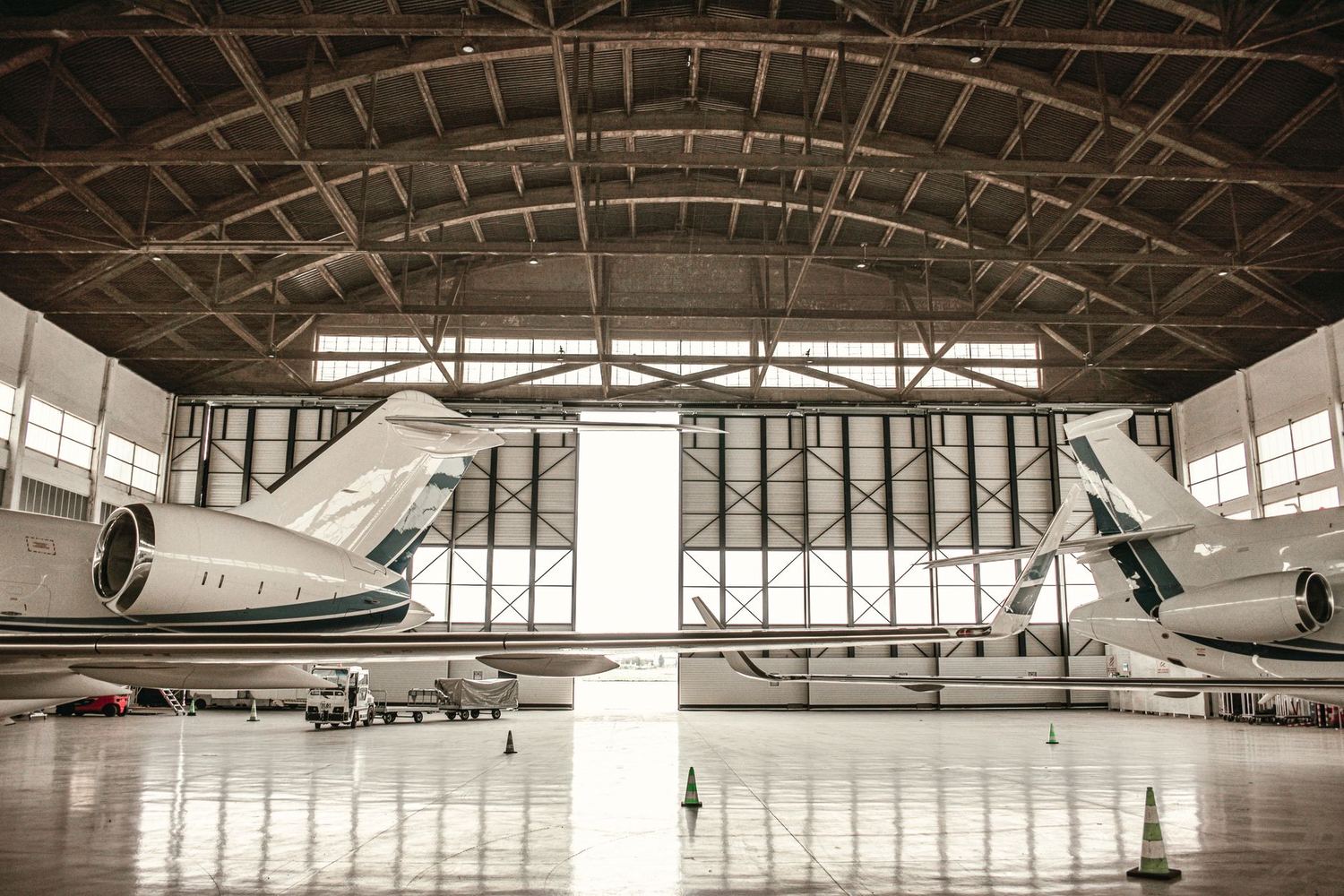
Private aviation ground transport looks simpler than commercial and is actually more coordinated. There is no arrivals board to watch and no baggage hall to wait in, but there is also no public schedule — so the information has to come from somewhere else.
The tail number is the booking reference
Commercial flights are tracked by flight number. Private aircraft are tracked by registration. Given the tail number we can see the aircraft move, which means a departure that goes an hour early does not need anyone on board to tell us.
Ramp access is the FBO’s decision, not ours
Whether a vehicle can be staged planeside depends on the FBO and the airport authority. Where it is permitted the car is on the ramp as the airstairs come down. Where it is not, the meet happens in the FBO lounge and the walk is a short one. Any operator who promises ramp access everywhere has not checked.
Who we actually talk to
- Line service for ramp timing and vehicle staging.
- The FBO front desk for passenger handover and lounge meets.
- The flight department or broker for schedule changes and crew requirements.
- Handling agents at international fields where customs and immigration are cleared on arrival.
Crew transport is part of the movement
Flight crews need hotels, layover transport and a return to the aircraft on a different schedule from the passengers. Booking crew moves on the same account as the principal keeps both on one invoice and one point of contact, and stops the crew car becoming an afterthought at eleven at night.