Cruise & Ports
Getting Cruise Transfers Right at Both Ends
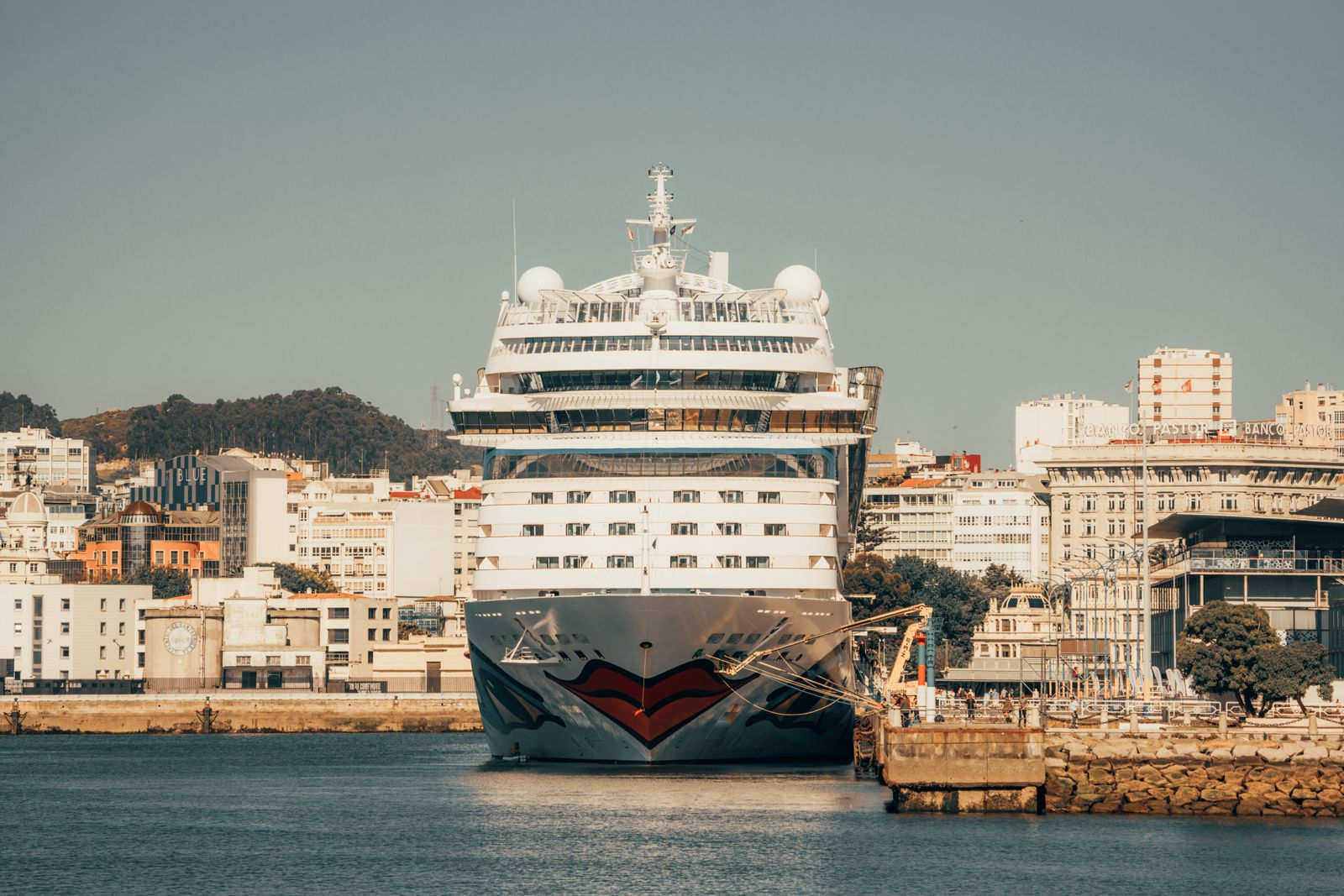
Cruise transfers have two hard deadlines and one soft one. Missing the ship is unrecoverable; missing the flight home is expensive; and the part in between is where most of the planning attention goes and least of the risk actually sits.
Embarkation: work to the terminal, not the itinerary
Boarding windows are staggered by deck and fare class, and the terminal pickup zone is rarely where the taxi rank is. A transfer timed to the sailing time rather than the boarding window delivers you into the longest queue of the day.
Disembarkation: the queue is the schedule
On the way off, passengers are released in groups, and customs clearance at some ports adds an hour that no cruise document mentions. Booking the airport leg against the scheduled arrival time instead of the realistic clearance time is the single most common cause of a missed flight home.
Practical rules that hold at most ports
- Leave a minimum of four hours between disembarkation and an international departure; five at the busiest ports.
- Give the ship name and sailing time when booking, not just the date.
- Confirm which terminal — large ports have several, and they are not walkable from each other.
- For groups, quote the whole party as one movement so nobody is left waiting for a second vehicle.
- If the ship is delayed into port, the transfer should re-time automatically — ask whether it does.
An overnight in the embarkation city removes almost all of this risk, and for a long-haul cruise it is usually the cheapest insurance available.